Moody dark is the atmospheric grade — cool, desaturated, low-key, built for tension and mood. YT_Moody_Dark pulls footage into a darker, more cinematic emotional register. Free, no email.
Updated November 2026 · YT_Moody_Dark.cube — a cool, desaturated, atmospheric grade for tension and drama.
Download YT_Moody_Dark.cube — Free, No Email
Want all 12 looks? Get the full free pack · Related: Moody Blue · Faded Film · Cinematic
A moody grade is subtraction. Desaturate the color, cool the cast, and pull the shadows down so the frame sits in a lower, tenser key. The emotion comes from what you take away — brightness, saturation, cheerfulness — not what you add.
YT_Moody_Dark does that with restraint, so footage feels atmospheric and cinematic rather than simply dark and muddy.
Moody looks need shadow detail to work. If you underexpose in-camera and then grade down, the shadows fall apart into noise. Expose slightly brighter than the final look and let the LUT bring it down — you keep clean, rich darks.
A pool of practical light in an otherwise dark frame gives the eye somewhere to land and makes the mood read as intentional.
Short films, thrillers and drama, night scenes, cinematic vlogs, and atmospheric b-roll that wants tension.
Bright, cheerful, high-key content — a moody grade fights that energy. Use Pastel or Warm instead.
Moody Blue for a colder, night-leaning version, or Faded Film for a softer matte mood.
Some of the most influential thrillers of the last thirty years are defined by grey, desaturated, low-key images. They are the reason editors search for a moody cinematic LUT for short films and dark vlogs.
David Fincher's Se7en (1995) is famous for its grimy, rain-soaked city and inky blacks. Some release prints went through a silver retention process, which keeps extra silver in the film to deepen the blacks and mute the color. That desaturated, high-contrast darkness still shapes how thrillers are graded.
Denis Villeneuve's Prisoners (2013), shot by Roger Deakins, takes place in a cold, overcast winter of rain and grey skies. There's barely any saturated color in it, and you feel the weight of that the whole way through.
Matt Reeves' The Batman (2022), shot by Greig Fraser, pushes the moody look further than most studio films dare. Faces often emerge from near-total darkness, lit by a single practical or a sliver of light. When the lighting is planned for it, a grade this dark can carry a surprising amount of emotion.
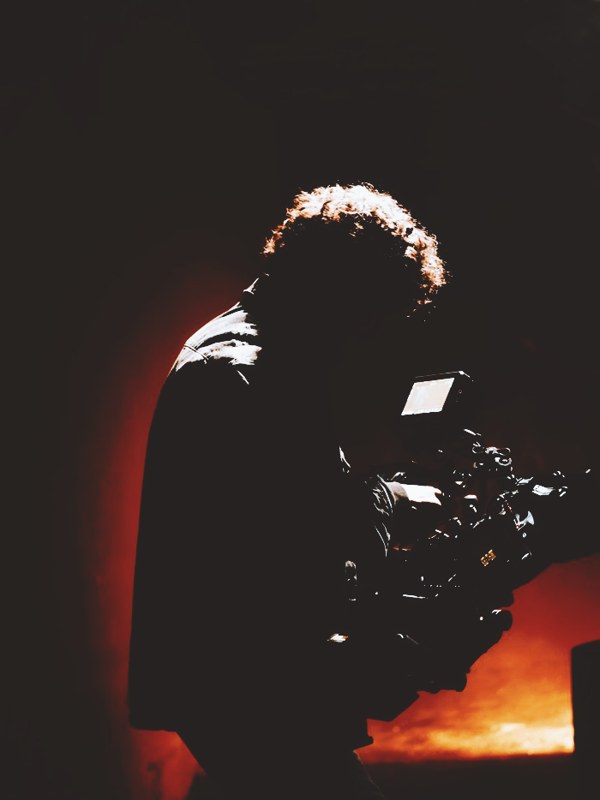
Grey, diffused daylight is the natural base for a moody look, and rain adds reflections and texture. Bright sunny days fight the grade with hard shadows and saturated blue skies.
Instead of adding light, take it away. Place a black flag, a dark sheet or even just a dark wall on the shadow side of your subject so that side falls off into darkness. Cinematographers call this negative fill.
Charcoal, navy, olive and brown let the frame sit in a low key without anything shouting. Remove brightly colored objects that would pull the eye away from the mood.
A light haze machine, or even steam and fog, catches the light in a dark room and creates depth. Light beams cutting through haze are a staple of moody thriller imagery.
Give the shadows clean room — crushing a dark grade onto underexposed footage adds noise.
Keep one or two accent colors alive so the frame has mood instead of looking lifeless.
Moody looks love pools of light and deep shadow; flat lighting turns muddy under the grade.
Lift faces slightly so they don't disappear into the shadows.
Moody grades look very different depending on the screen. Check your edit on a phone at full brightness and on a laptop at normal brightness, since a grade that looks atmospheric on one can look crushed on the other.
Dark interiors and night scenes can usually take 70 to 100%. Daylight exteriors often need only 50 to 70% to feel gloomy without looking underexposed.
Draw a soft mask around the subject's face and lift it slightly, then darken the rest of the frame a touch. It guides the eye the way a pool of light would on set.
Pulling an image down makes any noise in the shadows easier to see, especially on footage shot at high ISO. Apply noise reduction first, using temporal noise reduction in DaVinci Resolve Studio or a plugin like Neat Video, and only then add the LUT so the dark areas stay smooth and inky.
Thrillers, horror shorts and night edits live or die on shadow detail. The Master Grade Collection has Horror, Dramatic and Atmospheric categories with looks that keep the blacks deep and still readable.
Desaturate the color, cool the cast, and pull the shadows down — YT_Moody_Dark does it in one click, free and no email. Expose slightly bright in-camera so the darks stay clean when you grade down.
Moody Dark is a cool, desaturated, low-key grade for general tension and atmosphere. Moody Blue leans specifically into deep blue shadows for night and thriller scenes. Dark is about mood; blue is about night.
It can if the footage is underexposed, because pulling shadows down amplifies noise. Expose a little brighter than the final look and grade down for clean darks.
Yes — the atmospheric, low-key look suits short films, thrillers, drama, and cinematic vlogs where tension matters.
Yes — free for monetized YouTube, client work, and social, no attribution required.
Night scenes, urban b-roll, tension-driven narrative and atmospheric music videos.
Keep some separation in the shadows, don't over-crush the blacks, and light for contrast before you grade.
60–85%. Too strong and the footage loses detail, especially in the shadows.
Yes — the cool, desaturated atmosphere suits horror, thriller and dramatic storytelling.
Yes — add a secondary to nudge skin warmer above the LUT so faces stay human against the cool frame.
Professional .cube files. Free, no credit card. Browse every style: