Best LUTs for wedding videos.

A wedding film gets watched for decades, so the grade has to flatter skin, keep the dress white and still look good in twenty years. Below are the four free wedding LUTs we reach for first, the part of the day each one suits, and the settings that keep a couple looking like themselves.

Updated November 2026 · 4 free picks, with settings for every part of the day

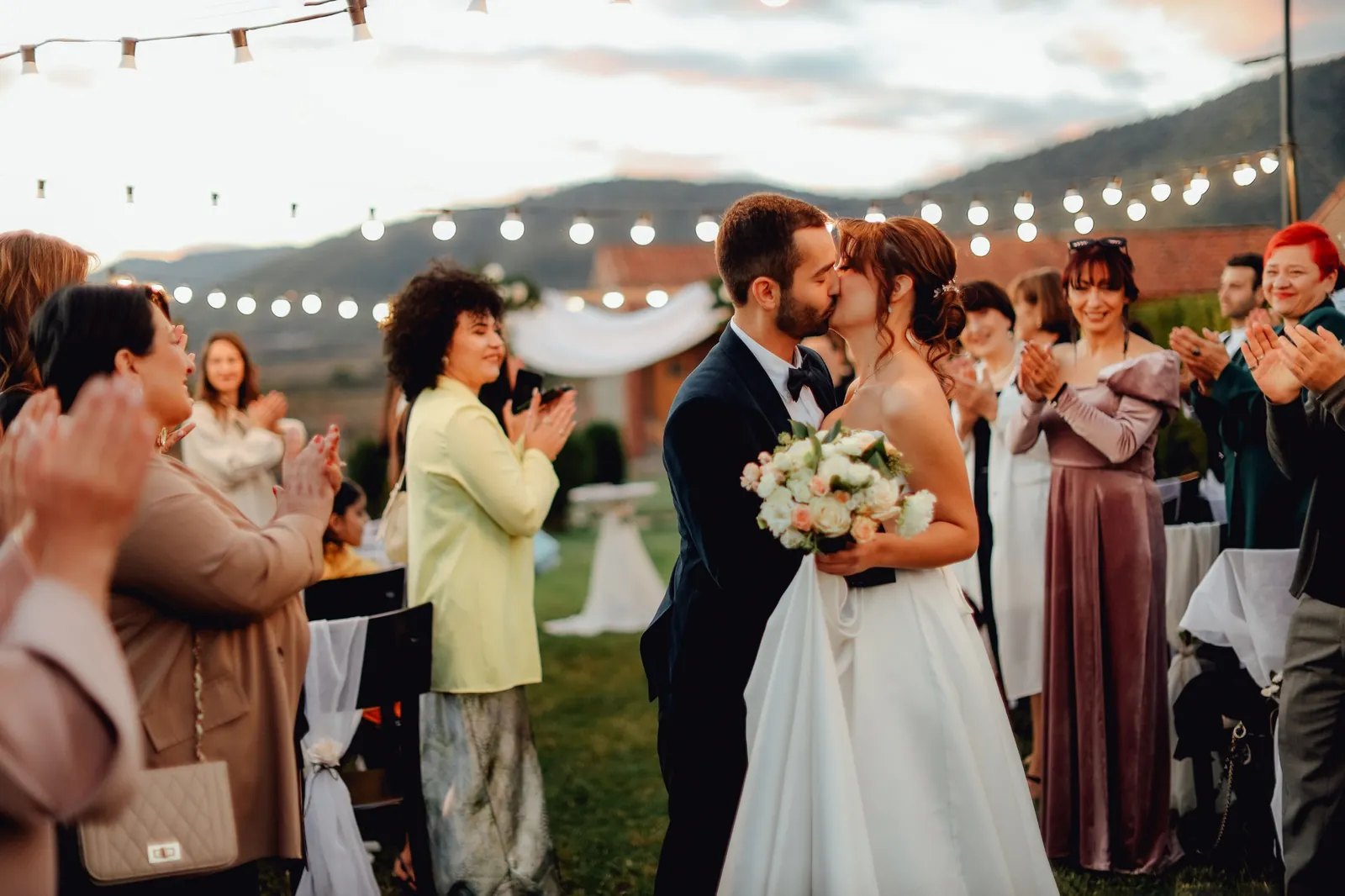
Bride and groom share their first kiss at an outdoor golden hour wedding as guests clap under string lights
Golden hour, string lights and a garden ceremony. With light like this, a warm LUT barely has to do anything. Photo: Maghradze PH / Pexels

Download all 12 free LUTs

All use cases · Movie looks · All LUT styles

The picks

The four free LUTs we'd use on a wedding.

Golden Hour for portraits and the first look

If you get even twenty minutes of low sun with the couple, the Golden Hour LUT makes the most of it. Run it around 40 to 60%, since real golden hour footage is already warm and stacking too much amber turns skin orange.

Warm as the base for the whole film

Most wedding films need one gentle look that works from getting ready to the last dance. The Warm LUT adds a soft, cozy warmth without shouting, and at 50 to 70% it sits comfortably on almost every clip of the day.

Faded Film for a softer, editorial feel

Couples who want something closer to a fashion shoot or an indie film tend to love lifted blacks and muted color. The Faded Film LUT gets you there, and it's forgiving on footage from smaller cameras.

Black and White for vows and speeches

Emotional moments often land harder in monochrome, and it hides the mess of mixed venue lighting. Save the Black & White LUT for a few key moments so it keeps its impact.

Moment by moment

Which look for which part of the day.

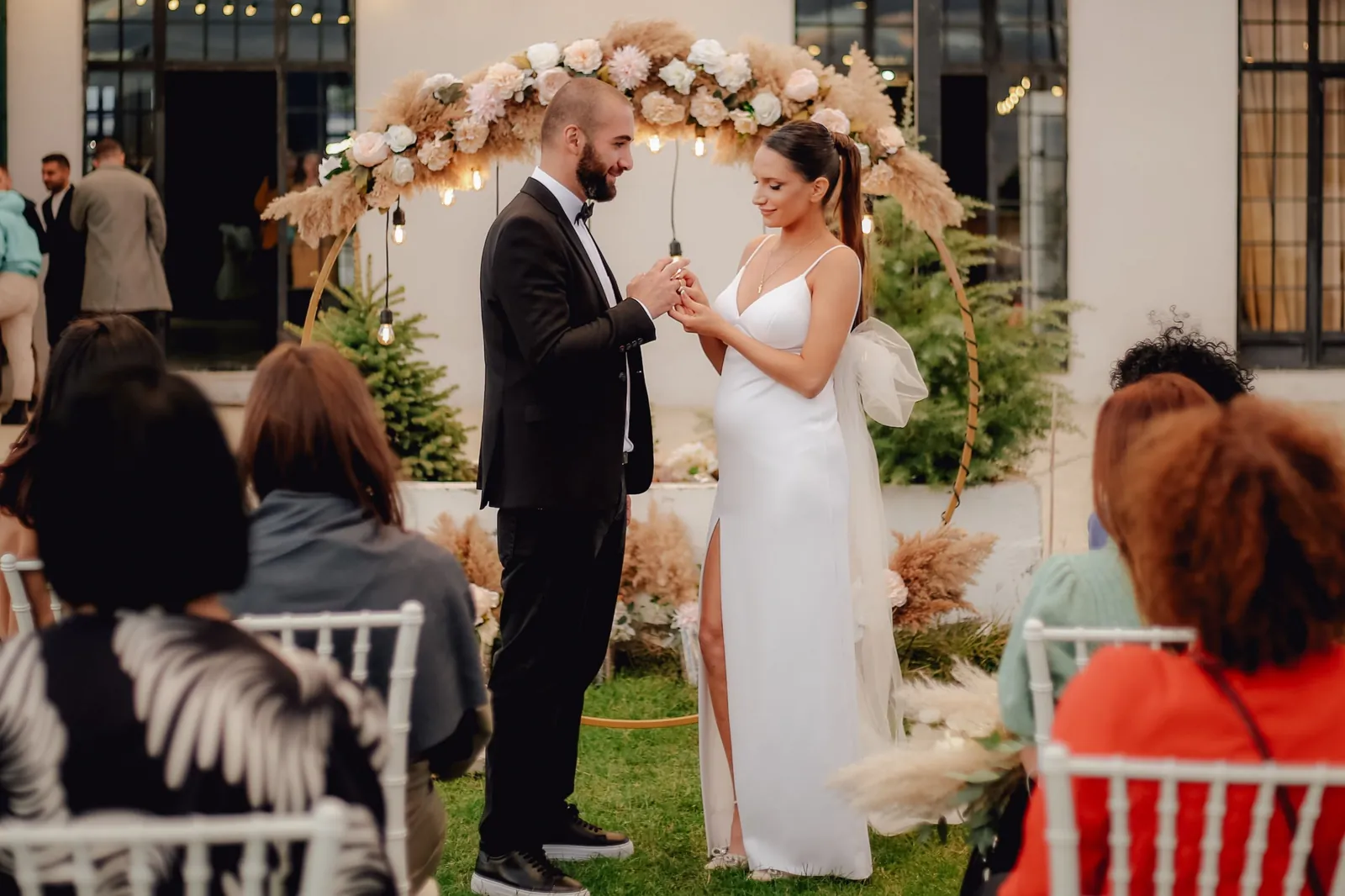
Couple exchanging rings under a pampas grass and flower arch at an evening outdoor wedding ceremony
The ring exchange. Faces and hands matter most here, so keep the grade gentle and protect skin tones. Photo: Maghradze PH / Pexels

Getting ready

Hotel rooms usually mix window daylight with warm lamps. Correct for the faces first, then add Warm at about 50%. Turn the lamps off if you can, since one clean light source grades far better than two fighting ones.

The ceremony

Churches and halls are often lit by old tungsten fixtures, while outdoor ceremonies can swing from shade to hard sun in seconds. Keep one look across the whole ceremony and adjust exposure clip by clip, so cuts between angles don't jump.

Portraits and golden hour

Golden Hour earns its place here. Shoot with the sun behind the couple and let the LUT build on the warm rim light around their hair.

Speeches

Speeches happen under whatever light the venue has, often orange uplighting. Black and white solves that instantly, or keep Warm at a lower 40% so faces don't go orange.

First dance and reception

Low light means noise, and LUTs make noise more obvious. Run noise reduction before the look and keep the strength gentle. A little grain on top hides what's left.

Before you shoot

Before you shoot the wedding.

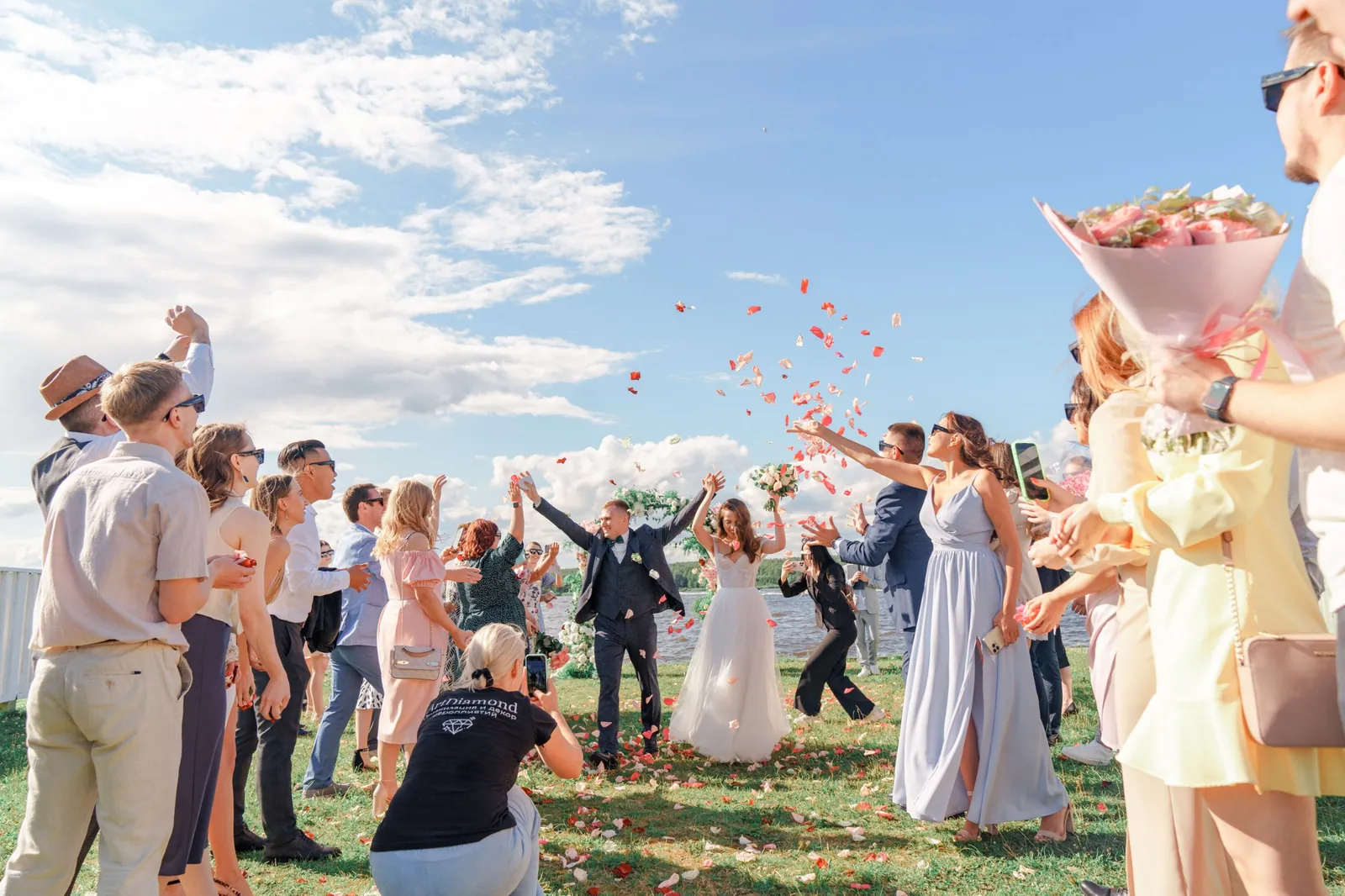
Bride and groom walk through a rose petal toss by a lake under a bright blue midday sky
Hard midday sun by the water. Expose for the dress first, then let the LUT warm things up in the edit. Photo via Pexels

Set white balance per room

Auto white balance drifts every time the camera moves between a window and a lamp. Lock it to a fixed value in each space, around 5600K near daylight and 3200K under tungsten, and the grade becomes far easier.

Expose for the dress

The dress is the brightest thing in most frames and the first thing to clip. Use zebras or the histogram to keep detail in it, because a blown-out dress can't be recovered in the edit.

Shoot a flatter profile if you're comfortable grading

Log or a flat picture profile gives the LUT more room to work with. If you'd rather keep things simple, a standard profile with contrast and saturation turned down slightly is a good middle ground.

Ask about the venue lighting early

Colored uplighting and dim reception halls cause most grading headaches. A quick chat with the venue about which lights can be switched off during speeches saves a lot of correction later.

Grading tips

Grading a wedding film without ruining skin tones.

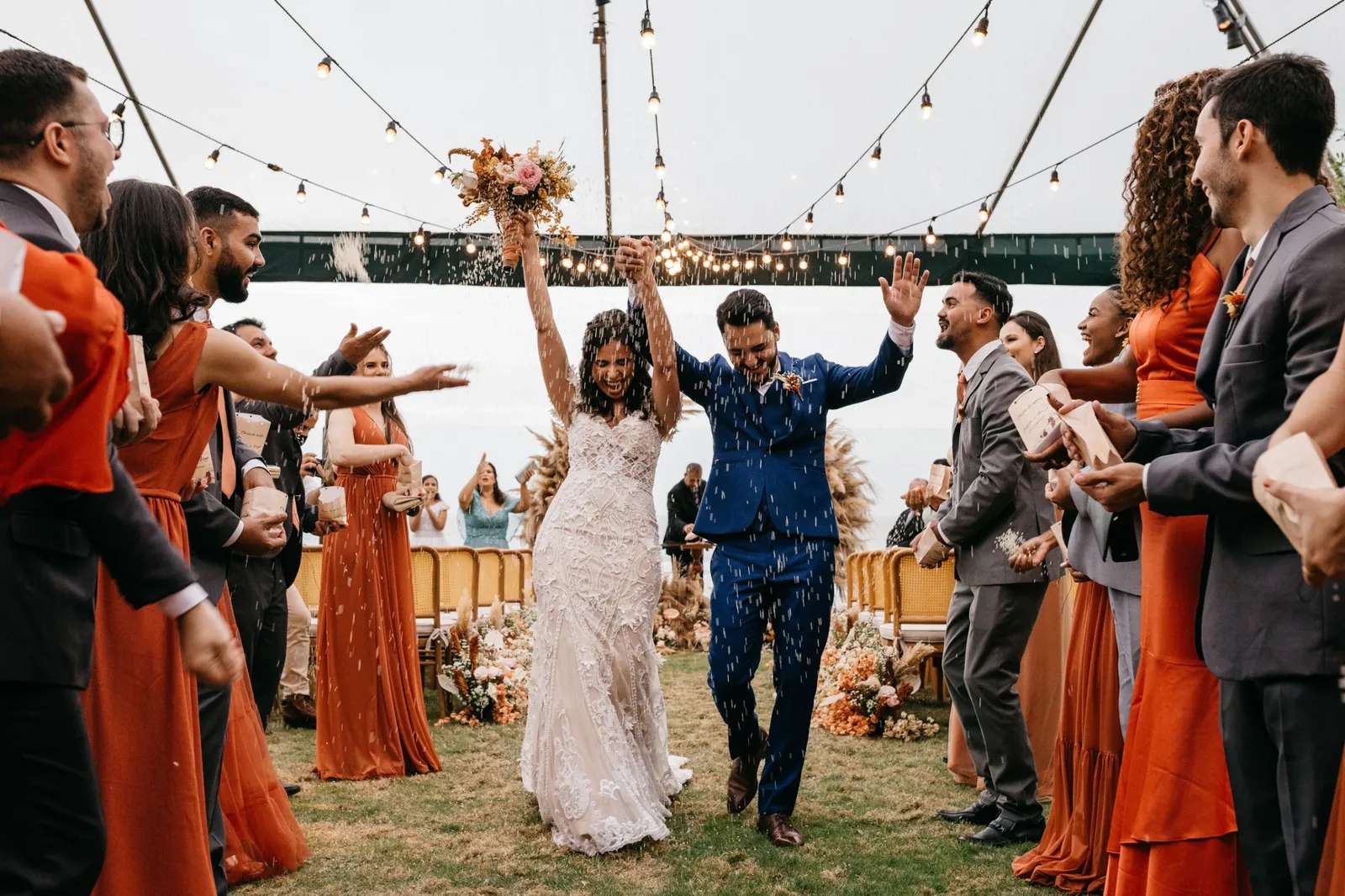
Newlyweds celebrate down the aisle as guests in rust orange bridesmaid dresses throw rice under a tent
Rust tones, warm bulbs and a white lace dress. A Warm LUT at around 60% keeps the oranges rich without turning the dress cream. Photo: Jonathan Borba / Pexels

Match your cameras before anything else

Most weddings are shot on two or three cameras, sometimes with drone and phone clips mixed in (the drone footage guide covers the extra prep aerials need). Balance them to one reference shot before adding a LUT, otherwise the look will land differently on every angle.

Use the dress as your white reference

A white dress shows any color cast straight away. If it turns cream, pink or blue after the LUT, nudge the white balance until it reads white again, and the rest of the frame usually falls into place.

Keep the couple's skin consistent

Venue colors change from room to room, but the couple stays the same. Keep their skin consistent across the film and let backgrounds vary a little.

Go lighter than you think

Strong trendy grades date quickly, and couples will rewatch their film for decades. A subtle look at 50 to 70% ages far better than one at full strength.

Check it on a phone

Most couples first see their film on a phone, often with the brightness turned down. Check your export there before delivering, especially the dark reception scenes.

✦ Master Grade LUT Collection

Editing weddings every month?

The free pack covers the basics. For a full season of weddings, the Master Grade Collection adds a dedicated Wedding category, plus Romance, Skin Tone, Warm and Film looks built for couples, ceremonies and receptions. It also includes a guide on correcting footage before the LUT goes on, which matters more at weddings than almost anywhere else.

WeddingRomanceSkin ToneWarmFilm
Get the Master Grade Collection
Master Grade LUT Collection box: 500+ cinematic LUTs in 30 categories
FAQ

Wedding video LUT questions.

What is the best LUT for wedding videos?

For most wedding films, a gentle warm look works best across the whole day. Start with the free Warm LUT at 50 to 70%, and use Golden Hour for outdoor portraits.

Should wedding films be warm or neutral?

Slightly warm usually flatters skin and feels romantic, but keep it subtle. Too much warmth makes faces orange and turns the dress cream.

Can I use one LUT for the whole wedding?

Yes, and it often looks more polished. Use one base look for the film, correct each clip first, and only switch looks for a few deliberate moments like black and white vows.

How do I keep the wedding dress white after applying a LUT?

Correct white balance before the LUT, then check the dress afterwards. If it shifts, nudge the highlights back toward neutral until it reads white.

How do I add a wedding LUT in Final Cut Pro?

Drag the Custom LUT effect from the Color section of the Effects browser onto a clip, then choose the .cube file in the Inspector. Grade one ceremony clip, then copy it and use Paste Attributes on the rest of that scene.

Can I use these LUTs for paid wedding work?

Yes. You can deliver paid wedding films and highlight reels with these looks on them, since the whole free set is royalty-free and you don't need to credit us.

Do these LUTs work on log wedding footage?

Yes, after conversion. Convert S-Log3, C-Log or V-Log footage to Rec.709 with your camera's official LUT first, then add the look on top.
Free Download

12 free LUTs.
Every look covered.

Professional .cube files. Free, no credit card. Browse every style:

Teal & Orange Vivid Teal Cinematic Golden Hour Sunset Warm Pastel Vintage Film Faded Film Moody Dark Moody Blue Black & White

Browse all 12 stylesDownload the free pack