Best LUTs for short films.

In a short film, the grade is part of the storytelling. It tells the audience how to feel before anyone speaks. A LUT won't replace good lighting and art direction, but it can pull a low-budget shoot together into something that feels deliberate. Below are the four free short film LUTs we'd pick for different genres.

Updated November 2026 · 4 free picks for drama, thrillers and period pieces

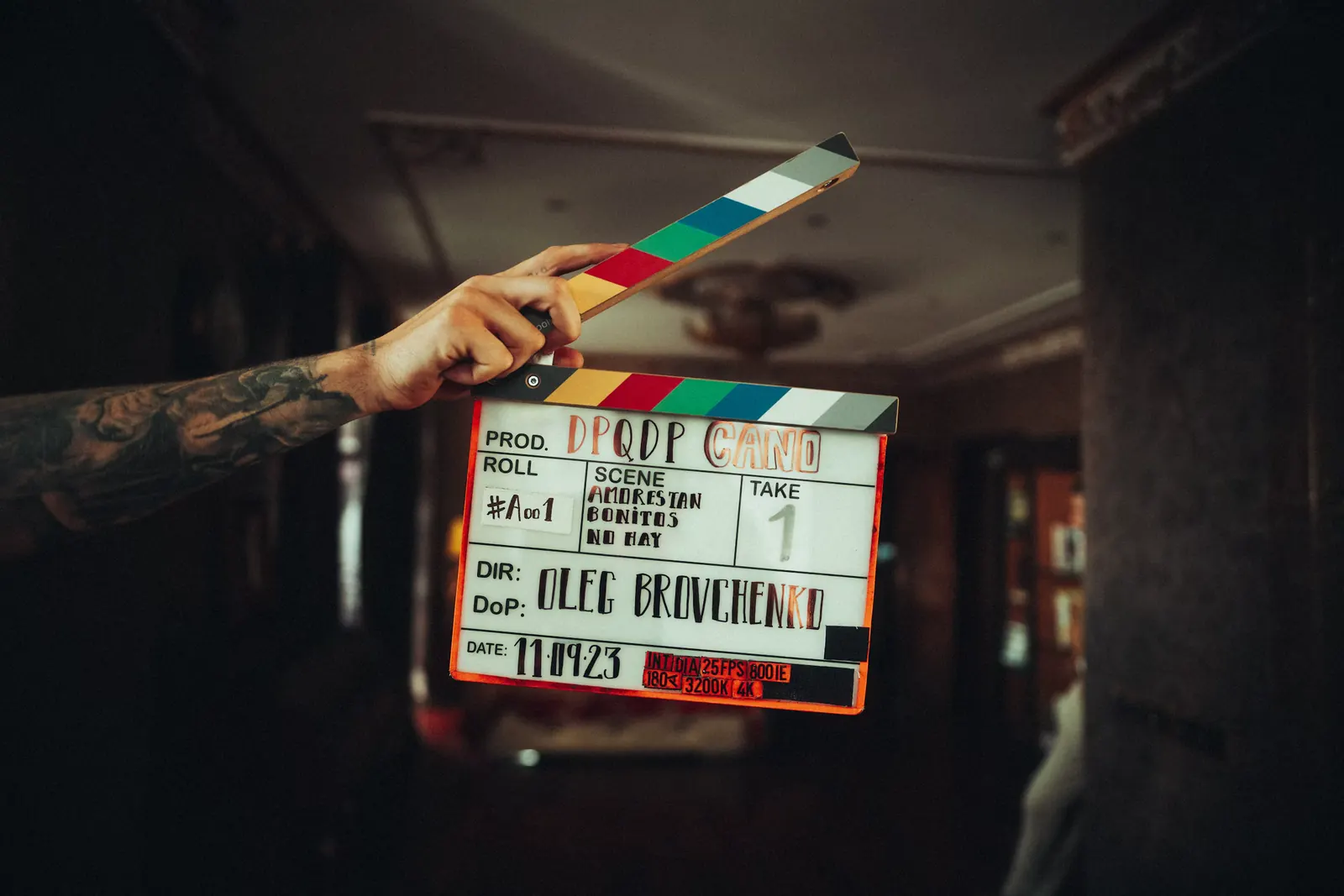
Tattooed arm holding a film clapperboard marked take 1, interior day, 25 fps, 180 degree shutter and 3200K
Take one. The slate notes 25 fps, a 180° shutter and 3200K. When settings like these stay the same across a scene, every shot grades the same way.

Download all 12 free LUTs

All use cases · Movie looks · All LUT styles

The picks

The four free LUTs we'd use on a short film.

Cinematic for drama

Most shorts are character dramas shot in real locations. The Cinematic LUT adds the depth and gentle contrast people expect from a film without pushing it into a genre. It's the right place to start if you're unsure. For reference frames, the movie color grading guides break down films like Dune and The Batman.

Moody Dark for thrillers and horror

Tension lives in the shadows. The Moody Dark LUT crushes the blacks and cools the image, which suits thrillers, horror and crime. Light your set with that in mind, so faces still catch some light.

Vintage Film for period pieces and memories

Stories set in the past, or flashback scenes, benefit from warm, faded color. The Vintage Film LUT gives footage a filmic texture that feels like another time.

Moody Blue for cold, lonely stories

Grief, isolation and winter stories suit a cooler world. The Moody Blue LUT gives the whole film a quiet, distant feel, and it works well with overcast exteriors.

Moment by moment

Which look for which kind of scene.

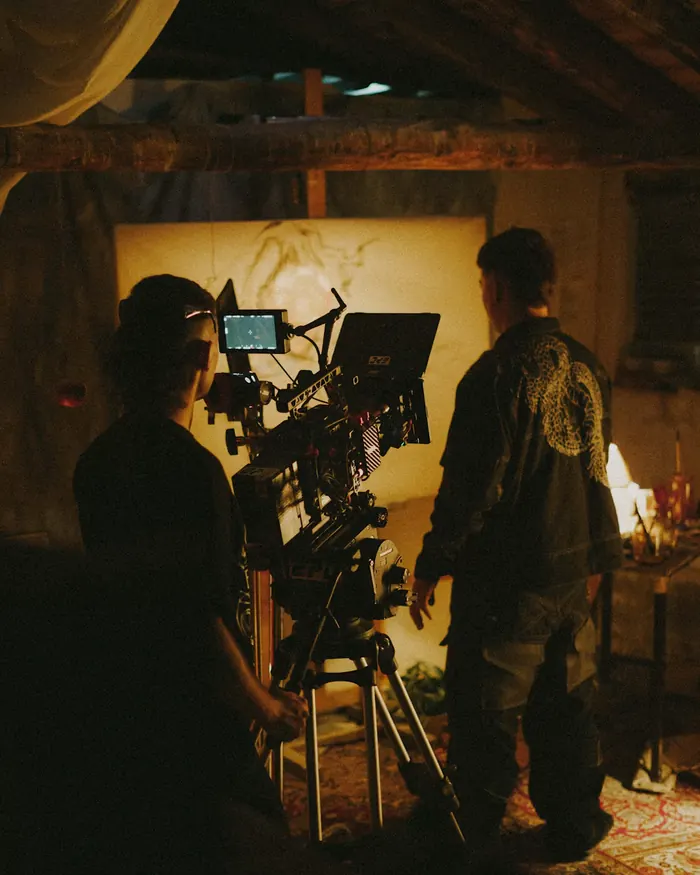
Camera operator behind a cinema camera on a tripod filming an actor in a warm, dimly lit attic set
A night interior lit by practical lamps. The warmth is already in the light, so the grade only needs to deepen the shadows and keep his face readable.

Day exteriors

These set the world of the film. Decide early whether daylight in your story feels warm and safe or flat and cold, and keep that choice across every exterior.

Interiors and dialogue

Coverage of one conversation is usually shot over hours, so the light drifts. Match every angle of the scene to one reference shot before the LUT goes on.

Night scenes

Night is often shot darker than it should look on screen, or the other way round. Keep faces visible, let the background fall away, and use Moody Dark or Moody Blue to sell the time of day.

Flashbacks and dreams

A separate look tells the audience they've moved in time. Vintage Film or Black & White makes the switch clear without needing a title card.

The final scene

Many shorts change the color slightly at the end, to mark a shift in the character. A small change in warmth can land harder than any line of dialogue.

Before you shoot

Before the short film shoot.

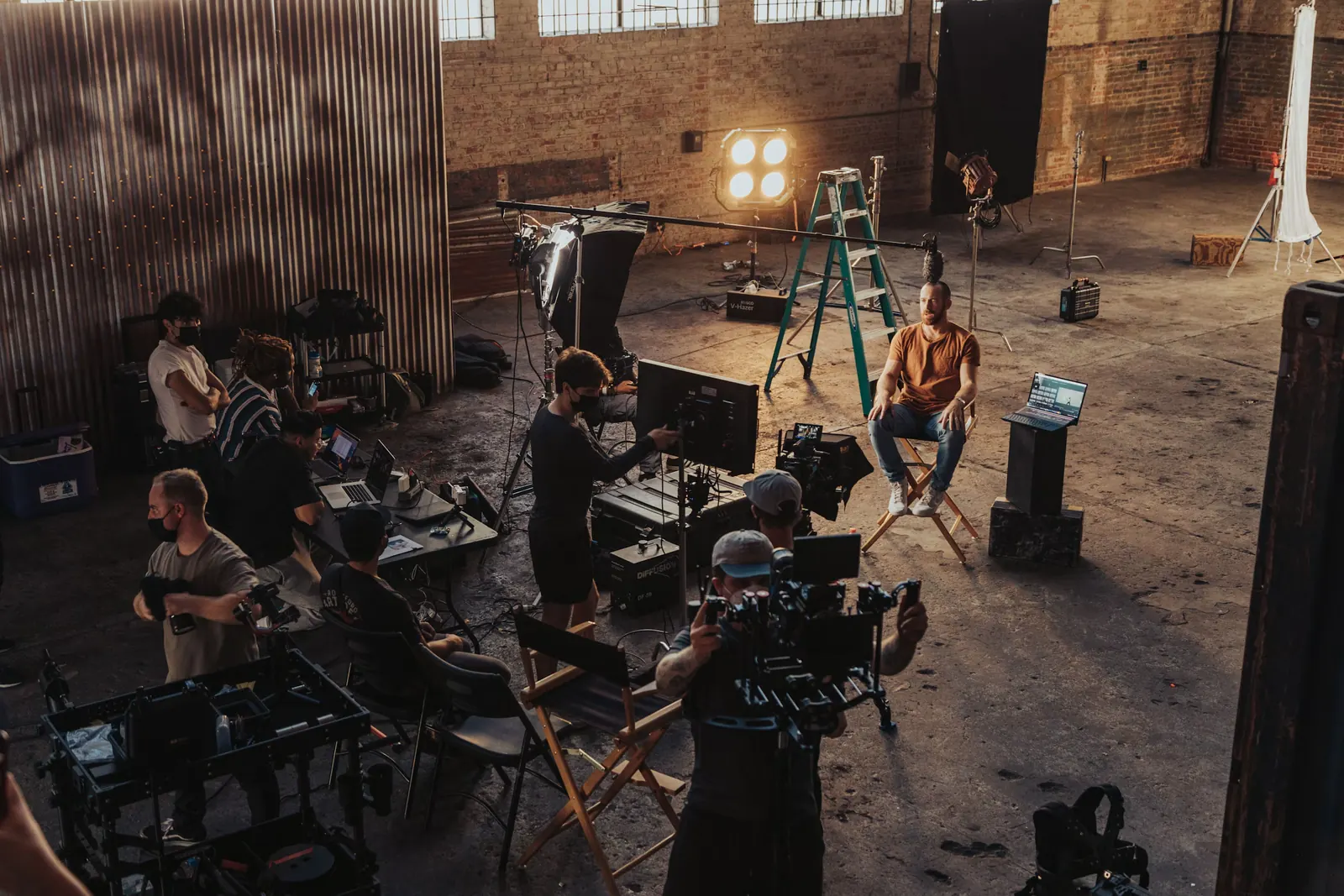
Film crew in a brick warehouse with lights, a boom mic, monitors and a camera rig filming a man seated on a director's chair
A crew around the monitor in a warehouse set. With the look loaded on that monitor, the director and DP can light for the final image from the first take.

Decide the look with your DP

Collect reference frames from films you love and agree on the look before you shoot. Lighting and lenses will follow from it, and the grade becomes the last step of a plan.

Let the art department do half the work

The colors in front of the camera matter more than any LUT. If the costumes, walls and props follow a palette, the grade only has to push it a little.

Monitor with the look on set

Load your chosen LUT into the monitor so the DP and director see the intended image. You'll light better for the final look and avoid surprises in the edit.

Shoot log if you can grade it

Log or a flat profile gives you much more room in post. Expose it properly, since underexposed log footage gets noisy fast once a strong look goes on.

Grading tips

Grading a short film like a feature.

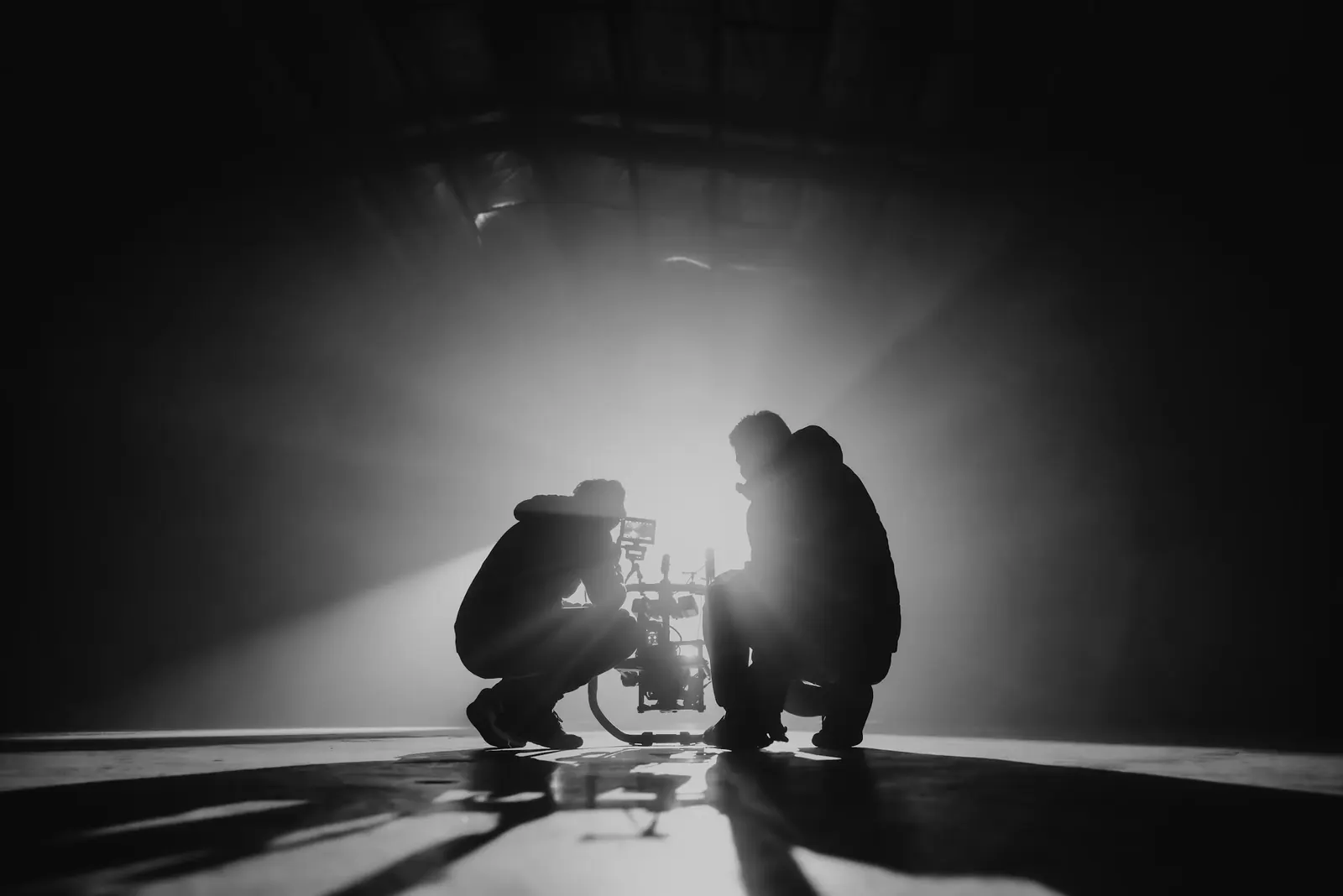
Black and white silhouette of two crew members crouched by a camera rig, backlit through thick haze
Backlight through haze in black and white. A shot like this can carry a flashback or a dream on its own. The grade just has to hold some detail in the floor and shadows.

Grade scene by scene

Work on one scene at a time and match all its shots first. A film graded shot by shot in timeline order rarely feels consistent.

Keep skin honest

Even in a stylized world, skin should look like skin. If faces turn grey under a dark look, use a qualifier or mask to bring them back.

Watch it on a TV

Festival screenings and streaming viewers see your film on large screens. Check the grade on a TV and a phone before exporting, especially the dark scenes.

Deliver in Rec.709

Most festivals and platforms expect Rec.709. Keep your blacks and whites inside legal range and check the specific festival requirements before you export.

Leave it for a day

After hours of grading, your eyes adjust to the look. Come back the next morning and you'll see straight away whether it's too strong.

✦ Master Grade LUT Collection

Making films every year?

Each short wants its own world. In the Master Grade Collection you'll find Cinematic, Hollywood and Dramatic categories for drama, Horror looks for genre work, and a Film category for period stories. It also includes the Color Grading Fundamentals handbook, which covers shot matching before the look goes on.

CinematicHollywoodDramaticHorrorFilm
Get the Master Grade Collection
Master Grade LUT Collection box: 500+ cinematic LUTs in 30 categories
FAQ

Short film LUT questions.

What is the best LUT for a short film?

Start with the free Cinematic LUT for drama. Use Moody Dark for thrillers and horror, and Vintage Film for period scenes or flashbacks.

Will a LUT make my short film look cinematic?

It helps, but only after good lighting, framing and art direction. A LUT pulls the image together. The cinematic feel comes from all of it.

Can I use these LUTs in DaVinci Resolve?

Yes. Add the .cube file to a node after your correction nodes, and lower the key output gain to control strength.

Should I use one LUT for the whole short?

Usually one main look, with a second look for flashbacks, dreams or a big shift in the story. Too many looks make a short feel unfocused.

Can I use these LUTs on a festival film?

Yes. Festival submissions, online releases and paid distribution are all fine, because the looks are royalty-free for commercial use.

What color space should I deliver my short film in?

Rec.709 for most festivals and online platforms. Always check the festival's technical requirements, since a few ask for DCP or other formats.
Free Download

12 free LUTs.
Every look covered.

Professional .cube files. Free, no credit card. Browse every style:

Teal & Orange Vivid Teal Cinematic Golden Hour Sunset Warm Pastel Vintage Film Faded Film Moody Dark Moody Blue Black & White

Browse all 12 stylesDownload the free pack