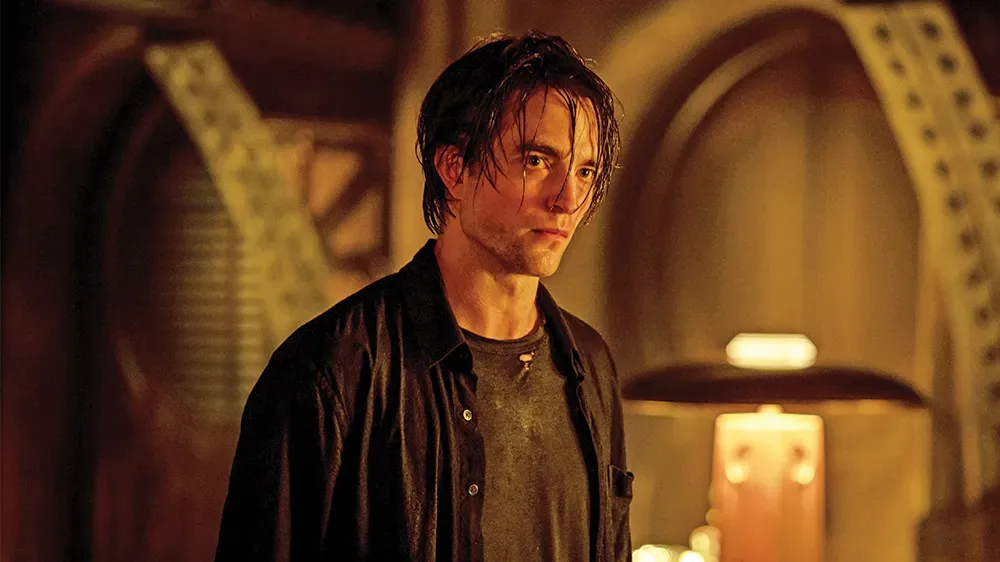
Matt Reeves' The Batman (2022) is one of the darkest studio films ever made, a rain-soaked Gotham of deep shadow, orange streetlight and red flares. This guide breaks down how cinematographer Greig Fraser and colorist Dave Cole created The Batman color grade, and how to get the look on your own footage with a free LUT.
Updated November 2026 · Closest free starting point: YT_Moody_Dark.cube (Moody Dark LUT)

All movie looks · Related: Joker · Dune
The Batman lives in darkness. Most frames sit in deep, rich shadow, and faces often appear from near black, lit by a single streetlight, a flare or a passing headlight. The light that does exist is warm: sodium orange, amber sunsets and burning red. Blue is used sparingly, mostly in rain and night skies.
Because the image is so dark and so desaturated, the few strong colors carry enormous weight. Red in particular is reserved for danger and rage, from emergency flares to the glow of the city at night. The overall effect is closer to a 1970s neo-noir than to a typical superhero film.

Approximate palette sampled by eye for reference. These are not official values from the film.
The Batman was directed by Matt Reeves and shot by Greig Fraser, who had worked with Reeves before on Let Me In and came to the project straight after Dune. Robert Pattinson plays Bruce Wayne, with Zoë Kravitz as Selina Kyle, Paul Dano as the Riddler, Colin Farrell as the Penguin, Jeffrey Wright as James Gordon and Andy Serkis as Alfred.
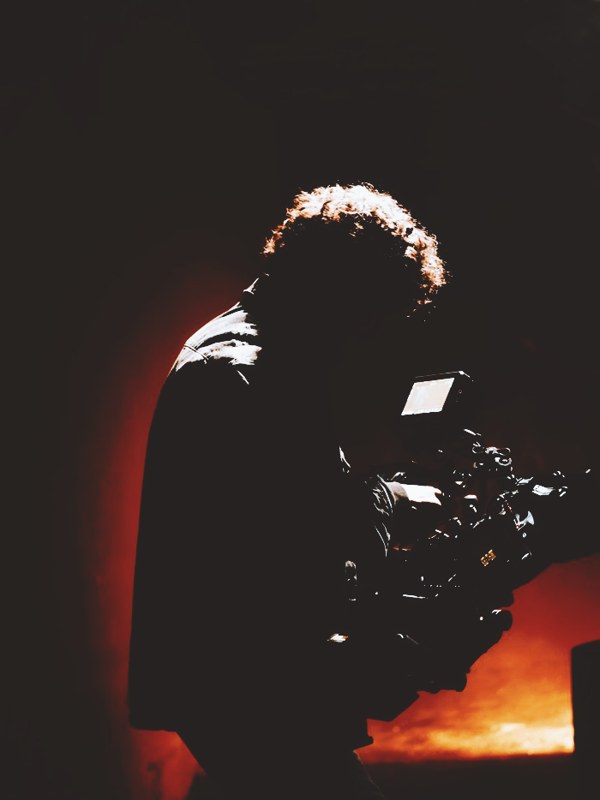
Fraser shot on the large-format ARRI Alexa LF with ARRI ALFA anamorphic lenses. ARRI rebuilt and deliberately detuned them to his specifications, so focus falls off, edges blur and highlights flare in imperfect, organic ways. A lot of the film's dreamlike softness comes from this glass.
As on Dune, the digital footage went through FotoKem's process of recording to film and scanning back, with Dave Cole as supervising colorist. It added grain and an analog quality to the darkest scenes. Fraser has said every frame was close to the edge of being too dark to read, and you feel that weight in every scene.
Some Gotham skyline scenes were filmed on LED volume stages, where the city appeared on huge screens around the actors and lit them with real orange city glow. Many other scenes used real locations at night, in rain.
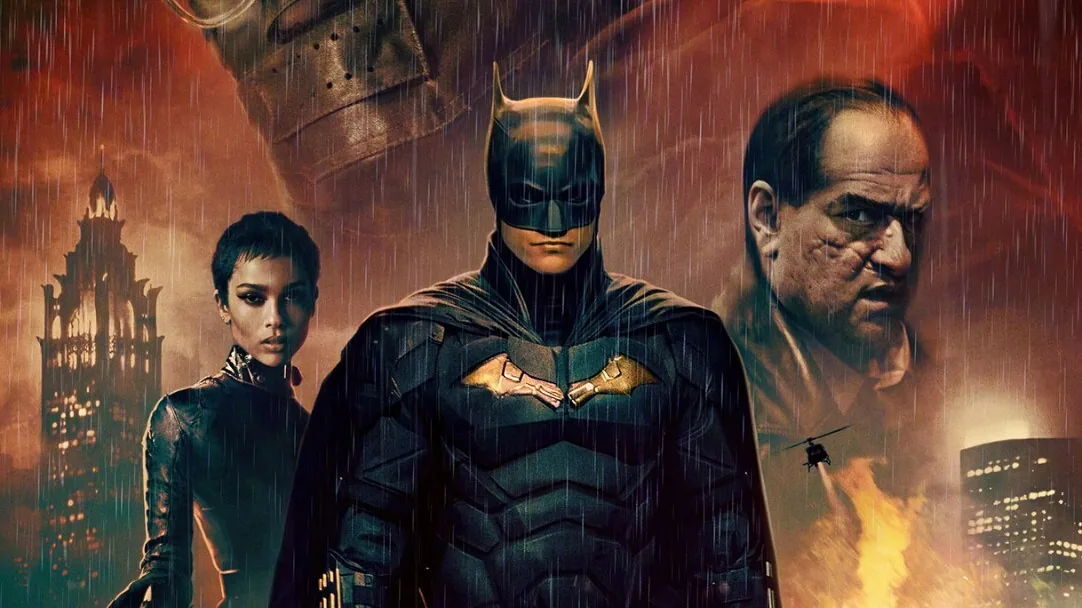
The opening scenes show Batman emerging from shadow, lit by little more than flickering light. Much of the frame is pure black, and the eye goes to the one lit edge.
The Batmobile chase is a blur of rain, headlights, smoke and fire. Flares and explosions bloom through the detuned lenses, turning the frame orange and white.
The Penguin's club is lit with deep reds and purples, the most saturated interior in the film, which makes it feel decadent against the grey city.
In the flooded arena at the climax, Batman lights a red flare and leads people through the water. The frame turns into red light and black, and for a lot of fans it's the defining image of the film.
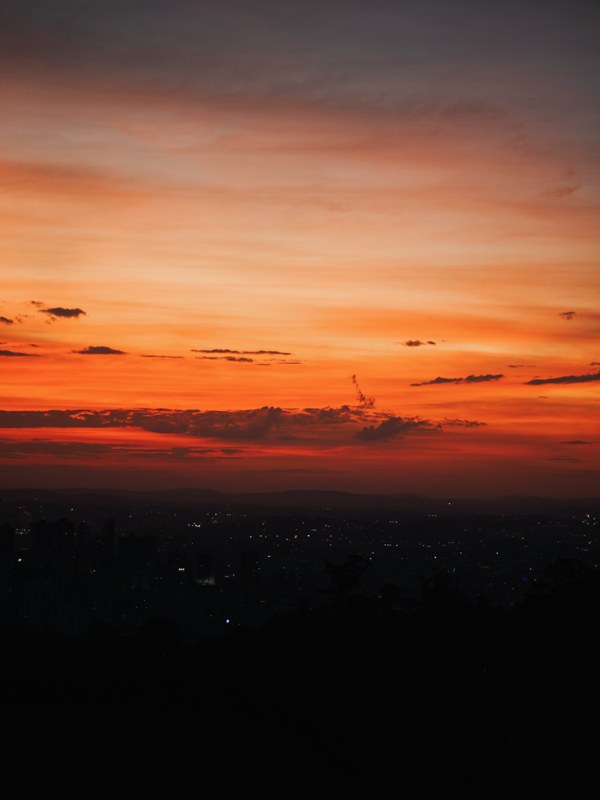
Exterior day scenes are often dusk or overcast, with rusty orange skies and long shadows. Even daylight feels like it's ending.
Much of The Batman's look comes from its lenses, lighting and the film-out, and there's no official LUT for it. A dark, desaturated base with warm highlights gets you most of the way, and a few adjustments add the red accents and soft, imperfect edges.
It's cool, desaturated and low-key, so your footage drops straight into the deep shadow that Gotham lives in.
Get the free Moody Dark LUT →
Blend it in lightly for orange-sky dusk scenes, or use it as a base for the fiery red and amber moments.
Get the free Sunset LUT →Start with a dark, desaturated base. If you shot with enough light, this will pull everything down into The Batman's low key without destroying detail.
Push the highlight wheel toward orange so lamps, streetlights and skies glow amber while the shadows stay neutral or slightly cool.
The Batman sits far darker than most videos. Pull the shadows down until large areas of the frame are near black, then check that faces are still readable on a phone screen.
Use an HSL adjustment to hold the saturation of reds while the rest of the frame stays muted. A red light, flare or brake light should be the loudest thing in the shot.
A soft vignette plus a slight blur toward the corners imitates the detuned ALFA lenses. Keep the center sharp and let the edges melt.
Medium grain and a warm glow around bright points of light, such as headlights and flares, give the analog quality of the film-out.
Light your subject with a single streetlight, lamp or flashlight and let the rest of the frame go black. The darkness is the look.
Fraser often shoots through windows, rain and reflections, which adds layers and softness. A wet window between the camera and the subject is an easy way to borrow this.
An LED panel with a red gel or a red light source is a safe way to recreate the flare scenes. Real road flares are dangerous and should only be used with proper safety measures and permissions.
Blue hour and night give you the orange city glow and dark skies without heavy grading.
The free Moody Dark LUT is a start, but The Batman lives in deep shadow and sodium orange light. The Master Grade Collection adds Horror, Dramatic and Atmospheric looks that hold up in near darkness, plus City grades for rainy streets.
Greig Fraser, who also shot Dune. The Batman (2022) was directed by Matt Reeves.
Reeves and Fraser deliberately kept the film on the edge of being too dark, lighting faces with single sources and letting most of the frame fall to black, to create a noir mood.
The ARRI Alexa LF with custom ARRI ALFA anamorphic lenses that were detuned to give soft edges, flares and imperfect focus.
Not officially. The free Moody Dark LUT is the best starting point, with warmed highlights and strong reds added as in the steps above.
Deep black, sodium amber, flare red, rain grey, rusty sunset orange and a little night blue.
Joker is a faded 1970s film print with sickly greens. The Batman is far darker and sharper in its contrast, built on black, orange and red. See the Joker color grading guide to compare.
This guide describes the look of The Batman (2022) for educational purposes. VideoEditingLUTs isn't affiliated with or endorsed by Warner Bros., DC or the filmmakers. The free LUTs we recommend here are our own general looks, and none of them were made from the film itself.
Professional .cube files. Free, no credit card. Browse every style: