Music videos are the one place where a strong grade is welcome. Nobody wants a rap video to look like a corporate interview. Still, colored LEDs, haze and dark sets cause their own problems. Below are the free music video LUTs we'd match to different kinds of tracks, plus the shooting notes that keep them working.
Updated November 2026 · 4 free picks, matched to different kinds of tracks


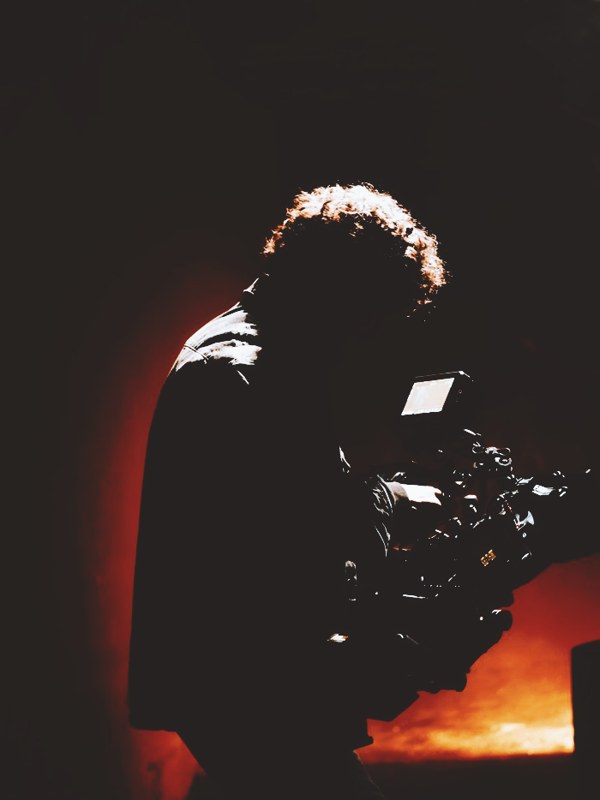
Night streets, cars and dark rooms suit a crushed, contrasty look. The Moody Dark LUT at 70 to 90% gives you that, and it handles the deep shadows of a night shoot well. Keep the artist's face readable even when the rest goes black.
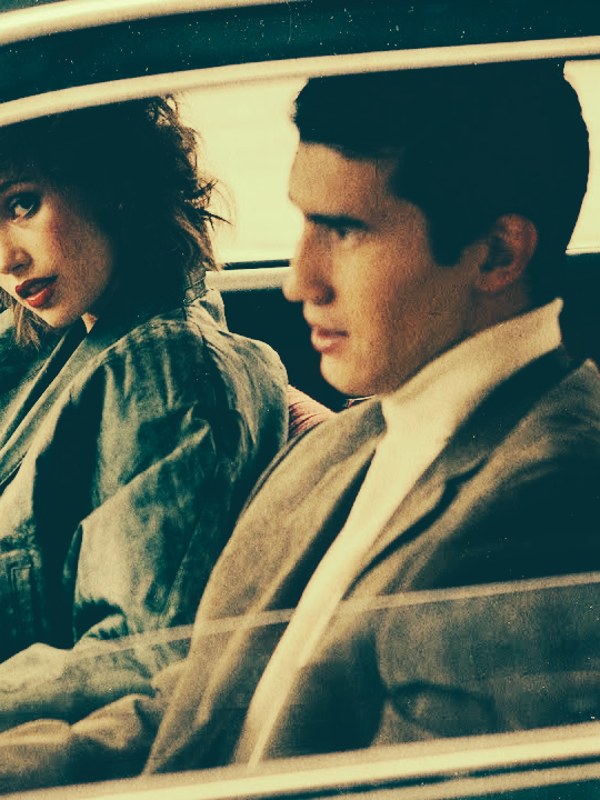
Warm highlights, faded blacks and a little grain feel right for guitar music and anything with a 70s or 90s reference. The Vintage Film LUT works best with handheld camera work and natural light.
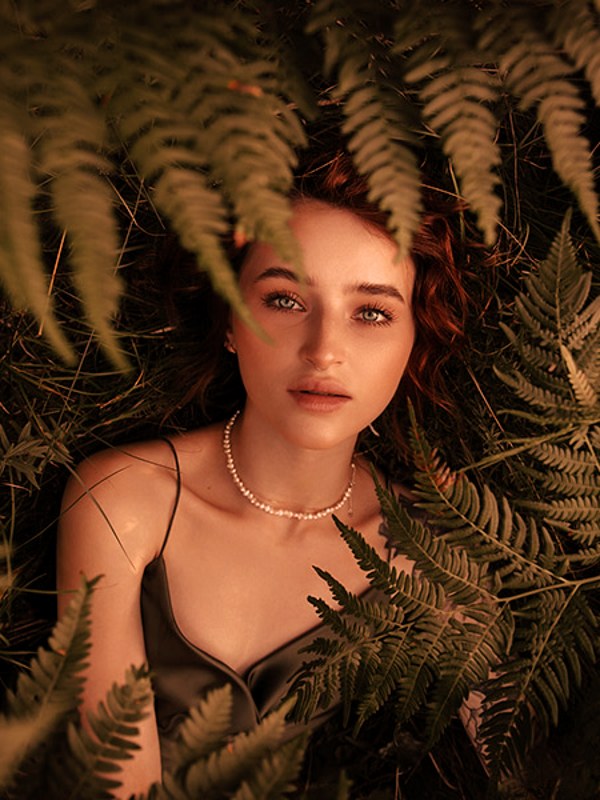
Bedroom pop, R&B and soft pop videos often want light, airy color. The Pastel LUT softens contrast and makes pinks and blues gentle. It looks best on bright, evenly lit sets.
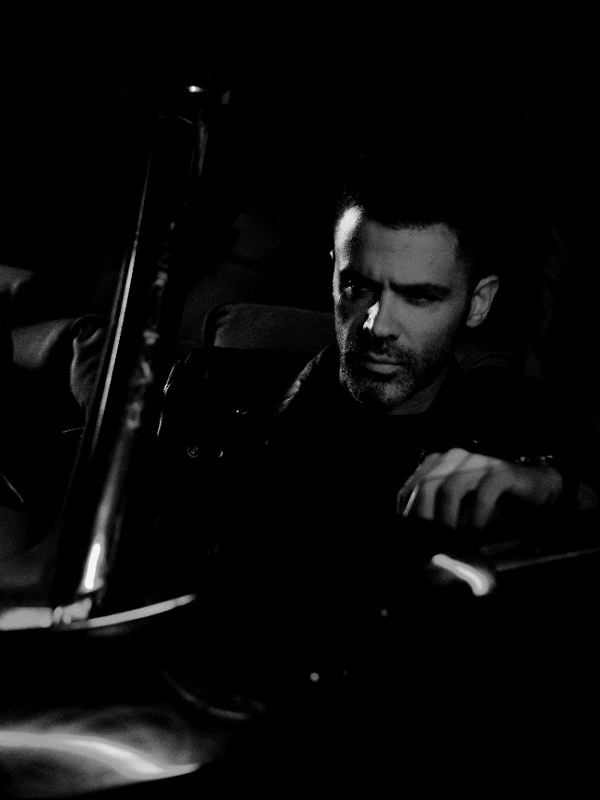
A black and white performance video never really dates. The Black & White LUT also fixes footage where the stage lights went wild, because it turns messy color into clean contrast.

These are the heart of most videos. Keep the artist's skin believable, even under strong colored light, and use one look across every performance angle so the cuts feel tight.
If the video tells a story, you can give it a different look from the performance. A warmer or more faded grade for the story makes the two easy to tell apart. The short film guide has more on grading narrative scenes.
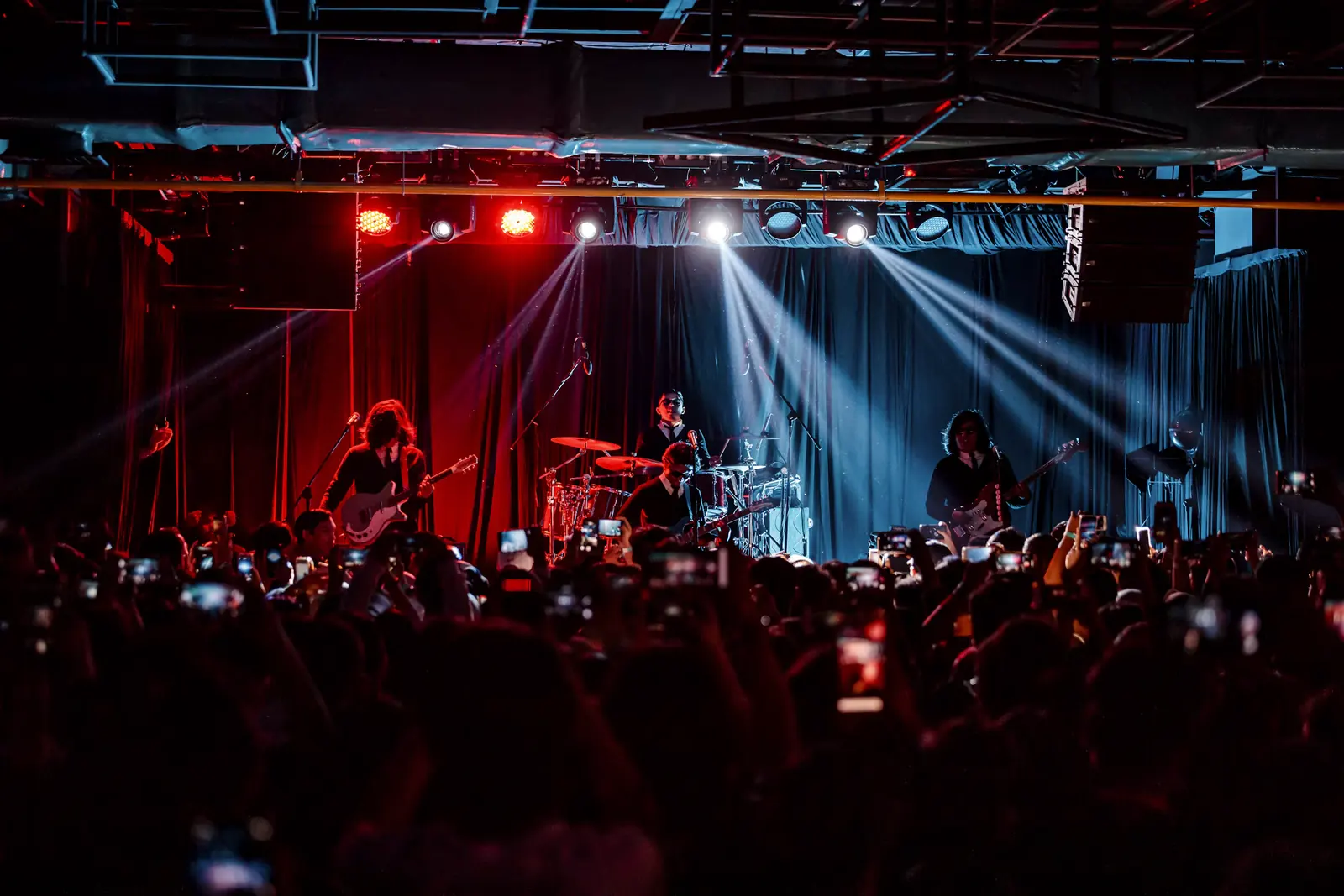
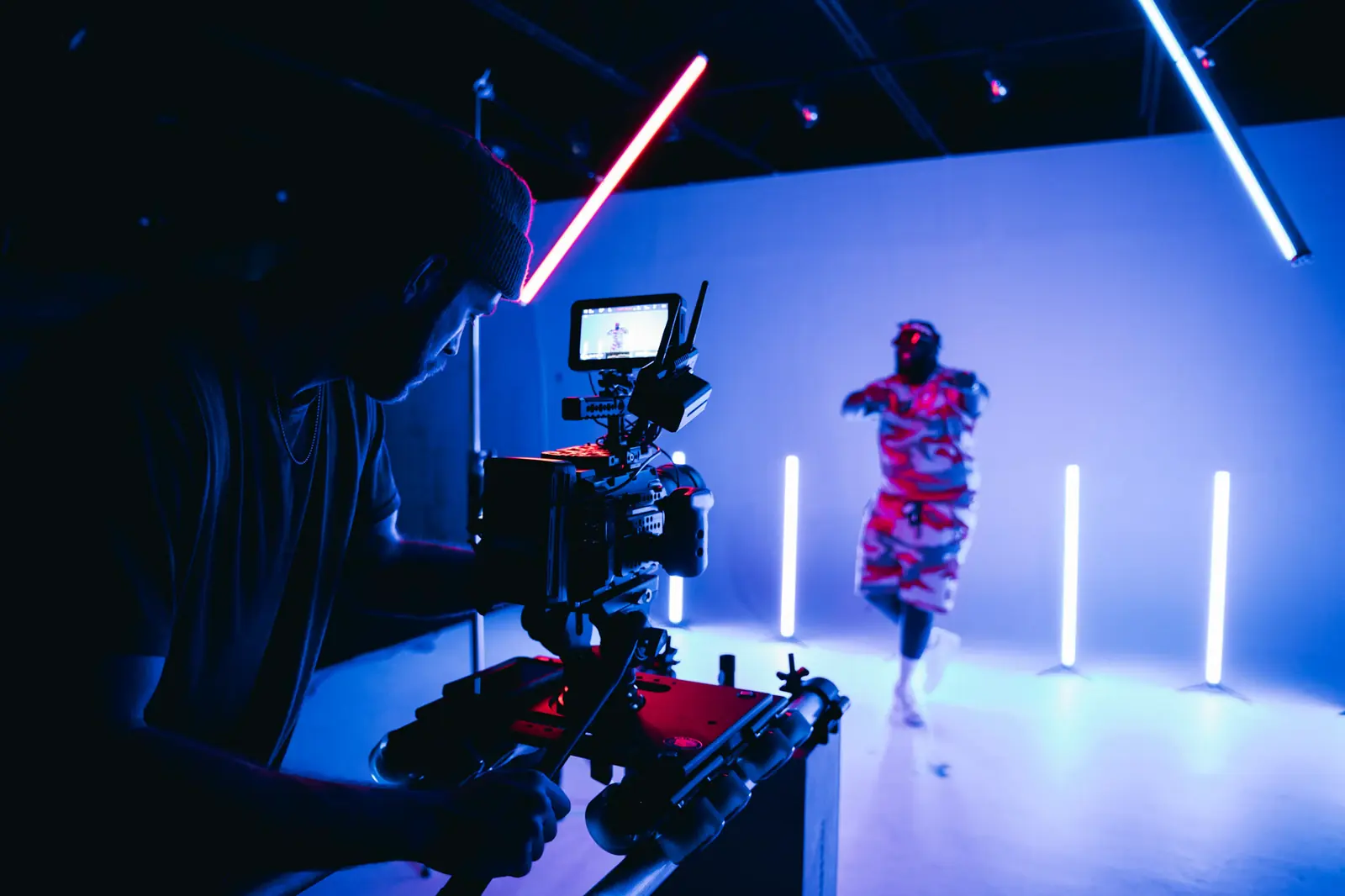
Saturated red and blue LEDs are the hardest light to grade. Lower saturation on those colors before the LUT, or they'll break into blocky, clipped patches.
Outdoor scenes can look plain next to a dark set. Push the contrast a little harder than you would for other work, and keep the same shadow color as the night scenes so it feels like one video.
Short loops and lyric visuals can carry a stronger look than the main video. They're often watched on phones and in feeds, so bold color reads better there.

Colored LED lights at full power clip the red and blue channels, and no LUT can fix that. Run them lower and expose a bit darker, then build the brightness back in the grade.
Cheap LEDs and practical lights can flicker on camera. In Europe, use a shutter of 1/50 or 1/100, and in North America 1/60 or 1/120, to match the power grid.
The grade can only push the colors that are already there. Agree on a palette with the stylist and art department, and the LUT will look much stronger.
A haze machine makes light beams visible and softens the image, which suits many looks. Too much makes everything grey and low in contrast, so test it on camera before rolling.

Client work needs subtle grades. Music videos can run a LUT at 80 to 100%, as long as faces stay readable. A timid grade on a loud track feels wrong.
If the look changes, tie it to the music. A shift at the drop or the chorus feels intentional. Random changes from shot to shot feel like mistakes.
Whatever the look, the artist should look good. Mask their face if you need to, and keep skin from going grey or green under the grade.
Heavily crushed blacks turn into blocky patches after YouTube compression. Leave a little detail in the shadows, and check the upload in a dark room.
Most people will see the video on a phone, often with the brightness turned low. Dark scenes that look moody on your monitor can vanish there, so check them before you deliver.
Every track wants a different look. The Master Grade Collection gives you Concert looks made for stage light, Dramatic and Fashion grades for bold visuals, and Vintage and Pink categories for retro and pop. That's 500+ LUTs to pull from when the artist asks for something new.
It depends on the genre. The free Moody Dark LUT suits rap and night shoots, Vintage Film suits indie and rock, and Pastel suits soft pop.
Stronger than on client work. 70 to 100% is fine, as long as the artist's skin still looks natural and the shadows hold some detail.
Expose a little darker, lower saturation on the strongest colors before the LUT, and mask the artist's face if the light makes skin look strange.
Yes. Many videos use one look for performance and another for the story. Keep each look consistent within its own scenes.
Put the LUT on its own node after your correction nodes. For scenes lit by strong LEDs, add a node before it that pulls down saturation in the reds and blues, so the LUT has cleaner color to work with.
Yes. Paid videos for artists and labels are covered, along with your own releases. You don't owe any royalties on them.
Usually the blacks are crushed too hard or the image is very dark. Leave some shadow detail and add a little grain, which helps the compression.
Professional .cube files. Free, no credit card. Browse every style: