Free LUTs

Free warm LUT.

Warmth is the most inviting look in video — the amber glow of a coffee shop, low afternoon light through a window, skin that feels alive instead of clinical. VEL_Warm_Film adds that cozy film-warmth in one click: lifted amber midtones and soft highlights, without tipping into harsh orange. Free, no email.

Download VEL_Warm_Film.cube — Free, No Email

Want all 12 looks? Get the full free pack · After a stronger sun? Golden Hour · Sunset · Pastel
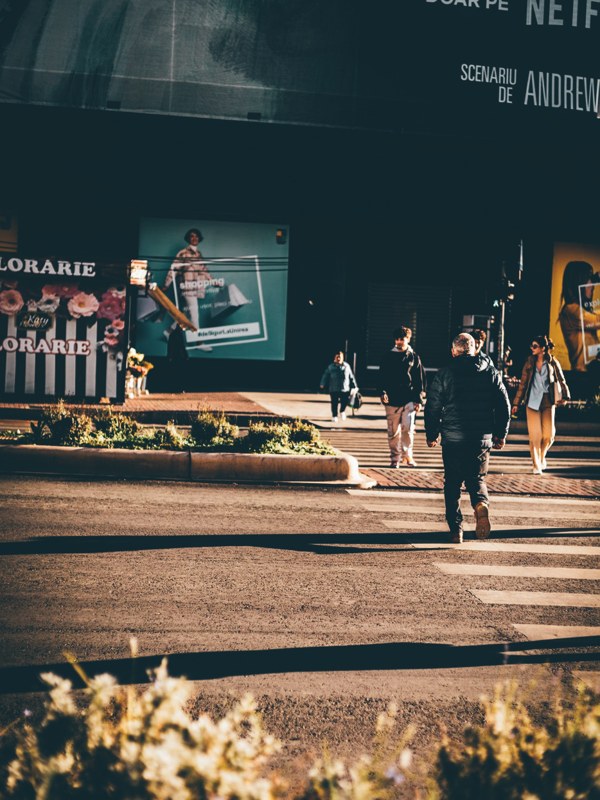
warm LUT applied to lifestyle footage — before and after cozy color grade
Which warm look?

Warm, golden hour, or sunset?

Three of our looks lean warm, and picking the right one is half the job. Here is the difference in plain terms.

Warm — this one

An all-day cozy warmth, subtle enough to run across a whole edit — interviews, b-roll, indoor scenes — without any clip looking obviously filtered. It warms the midtones and softens contrast; it does not pretend the sun is setting.

Golden Hour

Mimics the low, directional light of the hour after sunrise or before sunset — stronger amber, glowing highlights. Best when the footage already has soft, low-angle light to sell the illusion. Golden Hour →

Sunset

The most saturated of the three — warm sky, deeper teal-leaning shadows, magic-hour drama. A statement grade for a hero shot, not a whole timeline. Sunset →

Rule of thumb: Warm for everyday coziness, Golden Hour for a sunlit glow, Sunset for one dramatic shot.

The look

What warmth does to a shot.

A warm grade is not just “add orange.” Done well, it lifts the ambers in the midtones, keeps highlights soft and creamy instead of yellow, and eases contrast slightly so the image feels gentle rather than punchy. The effect reads as comfort — the visual equivalent of good light in a room you would want to sit in.

The trap most warm filters fall into is skin. Push warmth too far and faces go sunburnt-orange. VEL_Warm_Film holds skin on the natural side of warm, so people look healthy and lit, never tanned by the grade. That restraint is what lets it sit under an entire vlog without fatiguing the eye.

It loves footage that already has some warmth to build on — wood, plants, skin, incandescent lamps, late light. On cold, blue-heavy, or fluorescent scenes it has to fight the source color, so it works best when your white balance is neutral-to-slightly-warm to begin with.

Before you shoot

Shooting for a warm grade.

A warm LUT does far more with footage that was shot to be warm. Three things help:

Warm your white balance slightly

Set WB a touch above neutral (around 5600K or the “cloudy” preset) so warmth is baked into the light, not just painted on in post.

Use soft, low light where you can

Window light, a lamp, or a bounce reads as cozy; hard overhead or fluorescent light fights the mood. Warmth and softness go together.

Get earth tones in frame

Wood, coffee, plants, warm wardrobe — the LUT amplifies what is there. A scene of cool grays and blues gives it little to warm.

In your editor

Applying the LUT.

Balance exposure and white balance first, then drop the .cube in: Premiere Pro (Lumetri → Creative), DaVinci Resolve (Color-page LUT menu), Final Cut Pro (Custom LUT effect), or CapCut (Adjust → LUT). Because warm is a gentle look it usually sits well at full strength — but on already-warm footage, pull it back to 70–85% so skin does not drift orange. The same file behaves identically on phone and desktop, so a CapCut cut and a Premiere cut of the same trip will match.

Made for

Vlogs and lifestyle, food and café b-roll, sit-down interviews with window light, autumn and holiday footage, wedding getting-ready scenes — anything meant to feel intimate and inviting.

Skip it for

Cool, clinical, or tech looks; night and neon scenes; anything blue-forward. A warm grade fights those moods — reach for Moody Blue or Vivid Teal instead.

Pairs well with

Pastel for an even softer, lighter aesthetic, or Faded Film if you want warmth with a matte, vintage edge.

FAQ

Warm LUT questions.

How do I make my video look warm and cozy?

Warm the midtones and soften contrast while keeping skin natural. The fastest way is a warm LUT: VEL_Warm_Film applies that cozy film-warmth in one click, free and no email. Shoot with a slightly warm white balance and soft light, then drop the .cube on your clip and ease it to taste.

What is the difference between a warm LUT and a golden hour LUT?

A warm LUT adds all-day coziness subtle enough to run across a whole edit. A golden hour LUT pushes stronger amber and glowing highlights to mimic low, late sunlight, and looks best when the footage already has soft directional light. Use warm for everyday warmth, golden hour for a sunlit glow.

Will a warm LUT make skin look orange?

It should not. VEL_Warm_Film holds skin on the natural side of warm, so faces look healthy rather than sunburnt. When grading footage that is already warm, lower the LUT to 70–85% so skin does not over-saturate.

What is the best warm LUT for vlogs and lifestyle videos?

A subtle, natural warm grade like VEL_Warm_Film is ideal for vlogs: it is gentle enough to sit under an entire video without fatiguing the eye, and it flatters skin and indoor window light. It is free in .cube format for Premiere Pro, DaVinci Resolve, Final Cut Pro, and CapCut.

Can I use a warm LUT on cool or overcast footage?

You can, but it has to fight the source color, so the effect is weaker and can look muddy. Neutralize the white balance first, or better, shoot with a slightly warm balance. On genuinely cold or blue scenes, a warm grade is often not the right choice.

Is this warm LUT free for commercial and YouTube use?

Yes — free for monetized YouTube videos, client work, and social content, with no attribution required.

Free Download

12 free LUTs.
Every look covered.

Professional .cube files. Free, no credit card. Browse every style:

Teal & Orange Vivid Teal Cinematic Golden Hour Sunset Warm Pastel Vintage Film Faded Film Moody Dark Moody Blue Black & White

Browse all 12 stylesDownload the free pack